


At higher difficulty levels, beating the dungeon timer is no longer a side effect of good play—it is a discipline in its own right. Groups that succeed consistently treat time as a managed resource, optimizing decisions long before combat begins.
Efficiency, not haste, defines modern dungeon mastery.
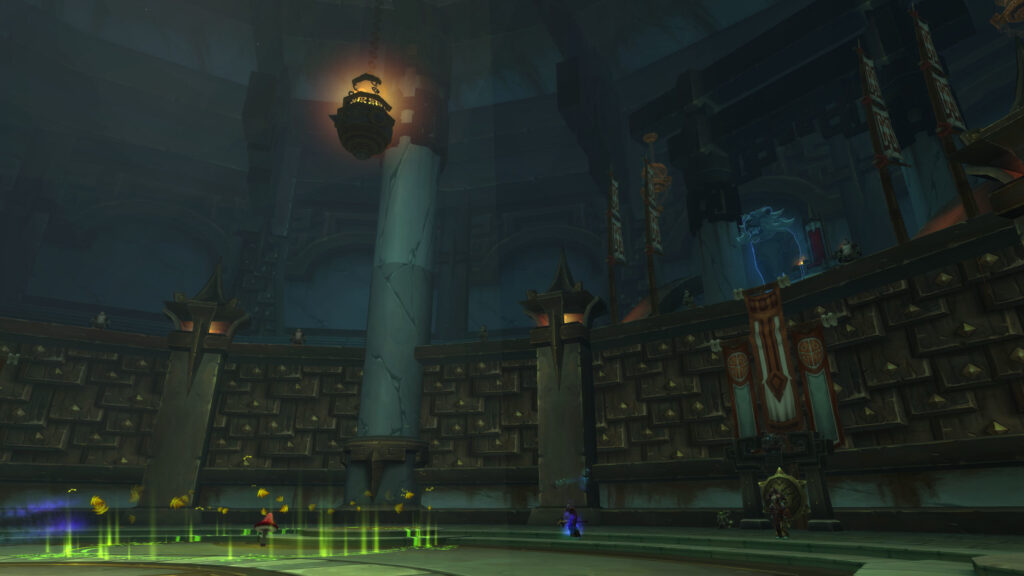
From Speedrunning to Time Management
Early perceptions framed timer play as reckless speed. That view has shifted as optimization matured into a structured approach focused on minimizing downtime and error recovery.
Control replaces aggression.
Where Time Is Really Won or Lost
Timers are rarely decided by raw damage alone. Small inefficiencies compound across an entire run.
Awareness of friction points separates consistent clears from narrow failures.
Core Elements of Timer Optimization
High-level groups refine several overlapping skills.
- Pull sequencing that aligns with cooldown cycles
- Minimizing deaths and long recovery walks
- Reducing downtime between engagements
- Adjusting routes dynamically after mistakes
Each saved second reduces pressure later.
Decision-Making Under Time Pressure
When errors happen, optimized teams react instantly. They know when to push, when to slow down, and when to abandon risky plans.

Judgment outweighs memorization.
Timer Play as Group Synergy
Optimization is collective. Tanks pace pulls, damage dealers manage uptime, and healers prevent collapses that cost minutes.
Everyone contributes to the clock.
Recognition at the Competitive Level
As expectations rise, timer mastery becomes a visible skill marker. Groups known for clean timing earn trust and invitations.
Consistency builds reputation.
Conclusion
Dungeon timer optimization has become a recognized competitive skill by rewarding planning, adaptability, and composure. Success now belongs to groups that treat time as carefully as any mechanic.